
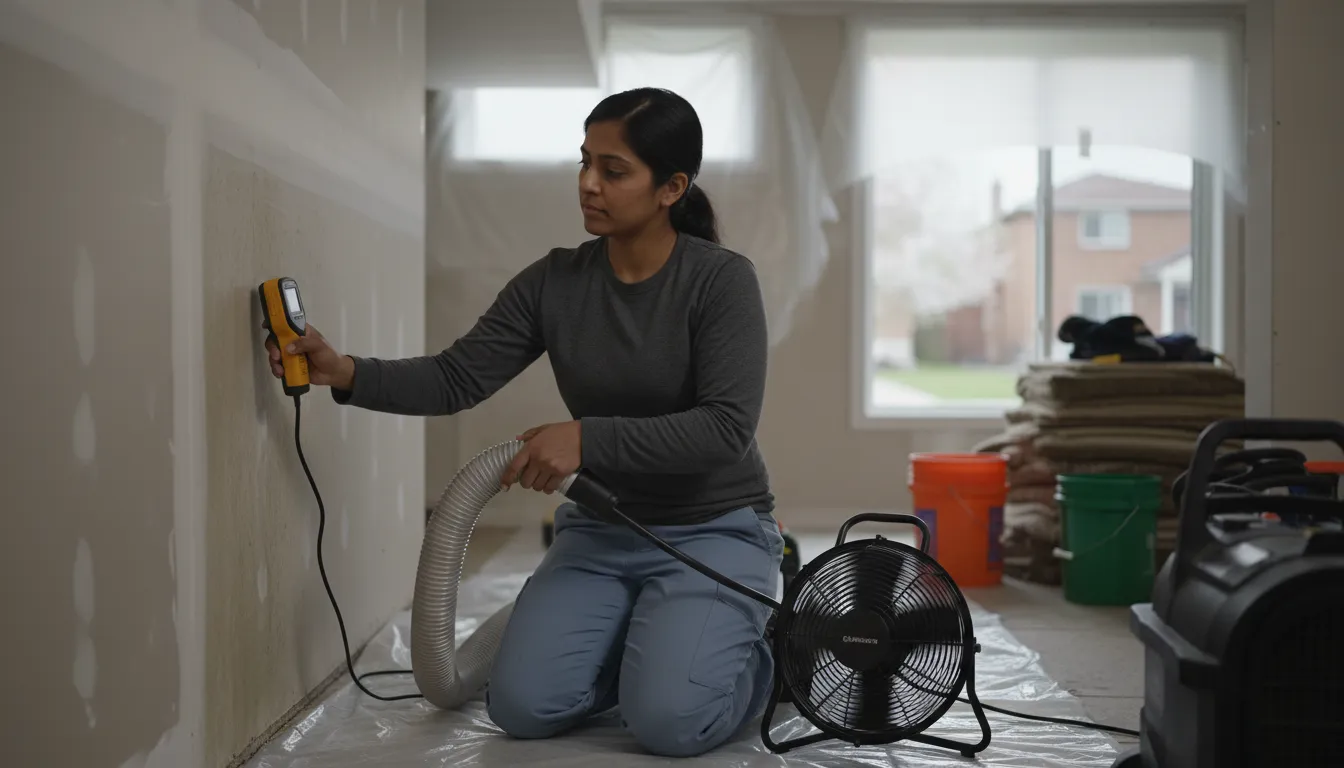
Water Extraction, Quoted for the Water That's Actually There
Standing water in a basement or finished space needs to come out fast — but the equipment count should match the volume, not a standard package.
Email Us for a Free EstimateWhy homeowners choose us
Free estimates · No obligation
Water extraction is the first physical step, and often the most overpriced
Because extraction is visible and urgent, it's also where some companies build in the most padding — quoting a flat 'extraction fee' regardless of whether there's an inch of water or two feet of it. Getting this step right means matching the right equipment to the actual volume and depth involved, not applying a package price.
Depth changes the equipment needed
A finished basement with a few inches of water needs different equipment than one with standing water over a foot deep.
Carpet and pad require separate handling
Saturated carpet pad usually can't be salvaged and needs removal alongside extraction, which is a distinct cost, not an automatic add-on.
Truck-mount vs. portable extraction
Larger volumes are often more efficiently handled with truck-mounted equipment, while smaller or hard-to-access areas may need portable units — the choice affects the quote.
Extraction is the start, not the finish
Removing standing water doesn't mean the space is dry — subfloor and wall moisture still need addressing afterward.
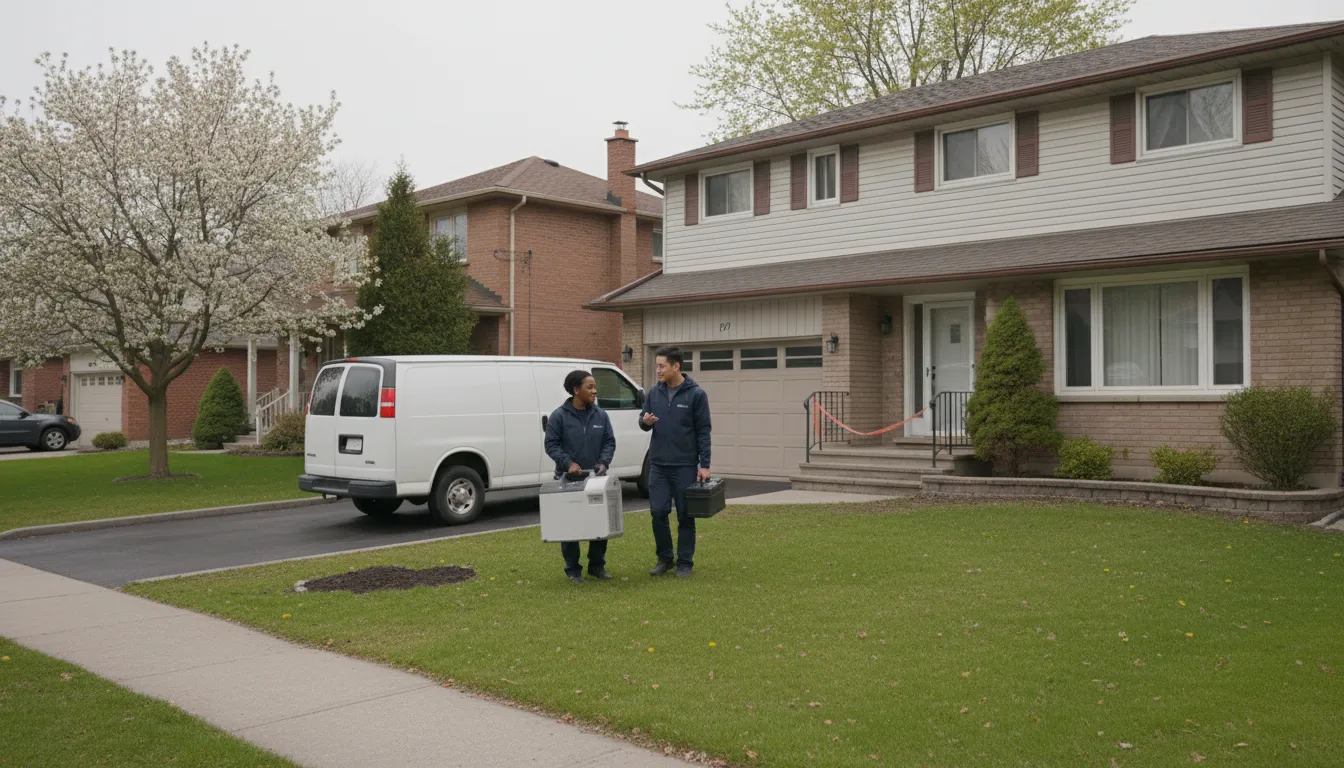
A flat extraction fee doesn't reflect what's actually in your basement
Some quotes charge the same 'water removal' fee whether there's a small puddle or two feet of standing water, which either overcharges the smaller job or under-resources the bigger one. Homeowners across the GTA have been quoted flat extraction packages that didn't account for carpet pad removal or subfloor saturation until the invoice arrived.
We quote extraction based on actual volume and materials
Our extraction quotes account for water depth, affected square footage, and whether carpet, pad or other materials need separate removal — so the number reflects your basement, not a generic package.
Our water extraction process
A clear sequence from arrival to a fully extracted space.
- 1
Assess water depth and spread
We measure how much water is present and how far it has spread through the space.
- 2
Select the right equipment
Truck-mounted or portable extraction units are chosen based on volume and site access.
- 3
Extract standing water
Water is removed efficiently while noting any materials that will need separate removal, like saturated carpet pad.
- 4
Assess remaining moisture
Once standing water is gone, we check subfloor and wall moisture to plan the drying phase.
- 5
Hand off to drying
Extraction findings feed directly into the structural drying scope, so nothing gets lost between phases.
Why homeowners trust our extraction quotes
Extraction is often the first thing a homeowner sees us do, and we treat the quote for it with the same transparency as everything else.
Volume-based pricing
You're quoted for the water that's actually there, not a flat package.
Right equipment for the job
Truck-mount or portable extraction chosen based on what the situation actually needs.
Fast response
Standing water causes damage the longer it sits, so we prioritize extraction speed.
Familiar with GTA basement layouts
Finished basements, crawlspaces and older foundations are each handled appropriately.
Honest about carpet and pad
We tell you plainly when saturated materials won't be salvageable.
Seamless handoff to drying
Extraction data feeds directly into the drying plan, with nothing re-assessed from scratch.
Water extraction questions
How is water extraction priced?
Based on the actual volume and depth of water, the square footage affected, and whether materials like carpet pad need separate removal — not a flat fee regardless of the situation.
Can carpet be saved after water extraction?
Carpet itself sometimes can be, but pad underneath is often saturated beyond salvaging. We assess each honestly rather than assuming either outcome by default.
Is extraction the same as full flood cleanup?
No — extraction removes the standing water. Full cleanup includes structural drying, contents handling and repair planning that follows extraction.
How fast should standing water be extracted?
As soon as possible — the longer water sits, the further it soaks into subfloor, drywall and framing, increasing both damage and drying time.
Do you use the same equipment for small and large volumes?
No — we match truck-mounted or portable extraction equipment to the actual water volume and site access, rather than applying one standard setup to every job.
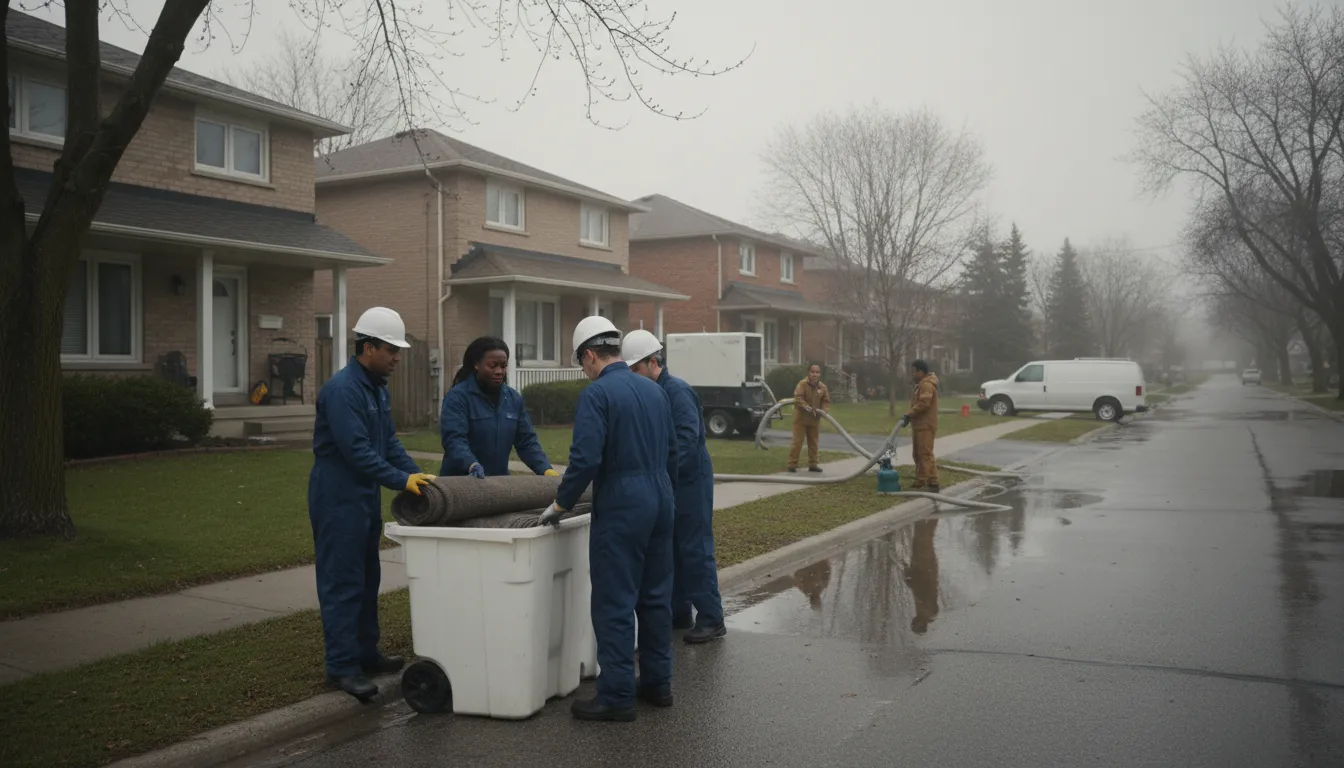
Get standing water extracted and scoped honestly
Email us the situation and we'll explain what extraction equipment and approach actually fits your space.
Email Us for a Free EstimateWeather drives water-damage risk — email us if you find water.
Fall water-damage conditions in Brampton, ON
Fall rain around Brampton, ON tests gutters, sump pumps, and foundations; catching leaks and seepage early prevents the slow water damage and mold that surface over winter.
Proudly Serving Brampton, ON
Local, on-time service throughout Brampton and the surrounding area.